


So much news this week! It was honestly hard to keep track of and distill into a not-insultingly-long roundup. Let’s get to it:
🥊 COMPETITION
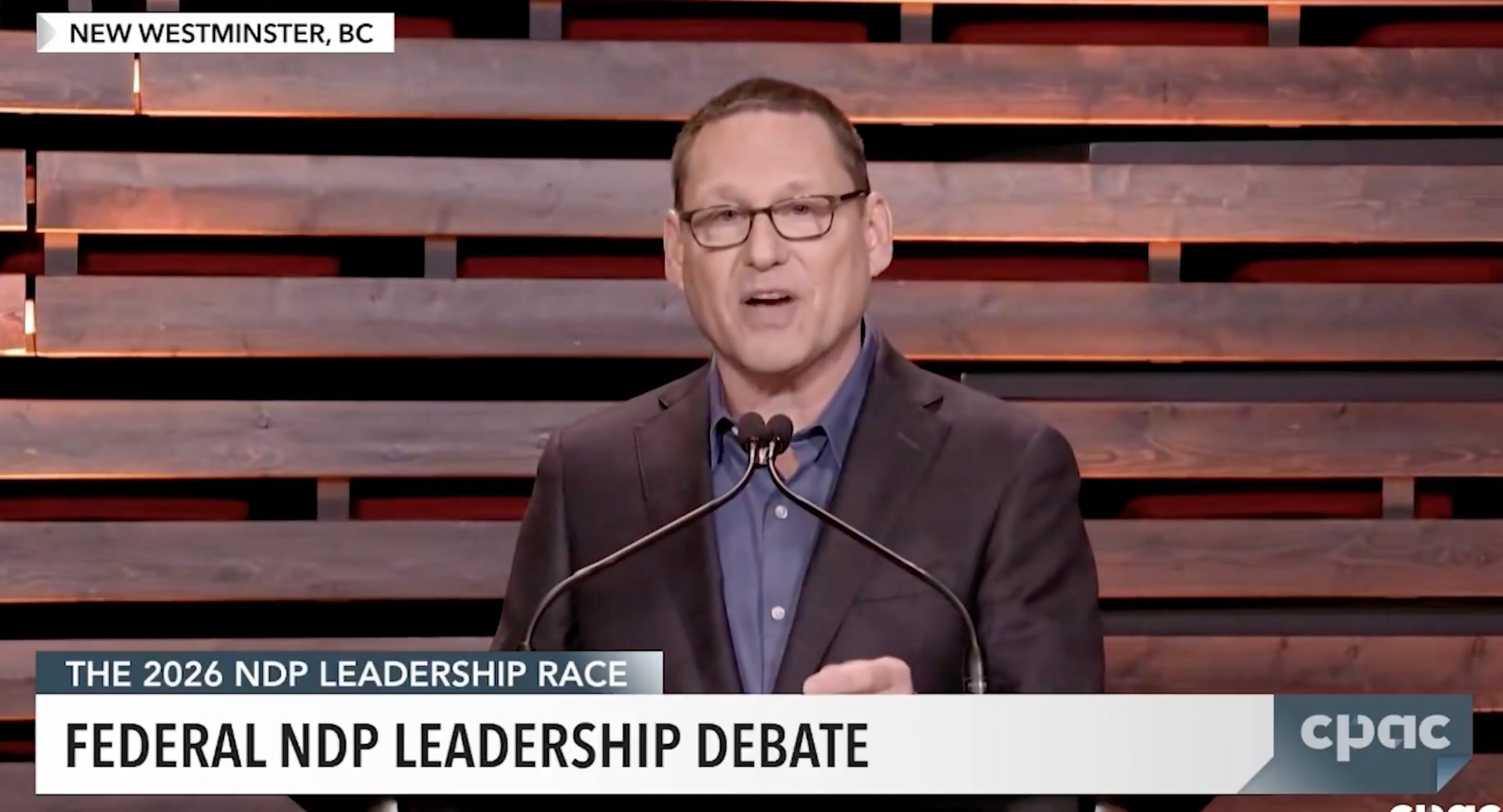
The federal NDP had a leadership candidate debate in British Columbia this week and candidate Avi Lewis made conservative brains melt with his suggestions of public-owned, grocery stores, telecom providers and a bank through Canada Post as the “only way to create a Trump-proof economy.” Just a reminder that we covered the idea of public grocery stores on a recent podcast episode.
Non-profit think tank SOCIAL CAPITAL PARTNERS has published a thorough endorsement of the Competition Bureau’s proposed Merger Enforcement Guidelines, particularly the section on new scrutiny of what’s known as serial acquisitions. With the Bureau only focused thus far on larger mergers, many smaller deals – often driven by private equity firms rolling up providers in specific businesses such as dentists or veterinarians – are flying under the radar. With those rollups often resulting in higher prices and worse products and services, Social Capital is all for the Bureau including them in its mandate. The CANADIAN ANTI-MONOPOLY PROJECT is also pleased with the proposed merger enforcement updates, with the Bureau adopting nearly all of the group’s previously made suggestions.
Speaking of the Bureau, the enforcement agency announced on Friday that it had obtained a court order to gather information from GREATER VANCOUVER REALTORS – a professional association counting 15,000 realtors and their companies – in its ongoing investigation on commission rules. The rules govern how real estate agents are paid and who pays them, and whether the rules may run afoul of abuse of dominance rules.
In case you missed it, Do Not Pass Go was featured on CBC’s COST OF LIVING radio show and podcast. Topics discussed include Canada’s long history of supporting monopolies, and the role that corporate concentration plays in eroding democracy. Have a listen.
💾 BIG TECH
Mark Zuckerberg took the stand in a Los Angeles courtroom this week to defend against civil charges that his company META is harming young people. Zuckerberg answered questions regarding purposeful addiction built into its Facebook and Instagram platforms, as well as his ignoring warnings from wellness experts about implementing so-called beauty filters into them. The presiding judge also scolded members of Zuckerberg’s for wearing Ray Bay Meta AI glasses in the courtroom. All of this is happening as a new poll from the Safer Online Spaces Coalition shows that 90 per cent of Canadians support banning social media use by kids.
As part of Europe’s escalating battle against American Big Tech, Ireland has launched a large-scale investigation into TWITTER/X and the wave of sexualized deepfakes generated by its Grok AI tool. Ireland has some serious clout in this matter as its data regulator is in charge of enforcing Europe’s General Data Protection Regulation. With many U.S. tech giants having their European headquarters in the country, it has the power to impose fines as high as 4 per cent of a company’s global revenue.
🛒 GROCERIES
As anyone who has bought GROCERIES recently can probably attest to, prices continue to rise at an alarming level. At an inflation rate of 7.3 per cent, it’s more than double what it is in the United States and the highest in the G7. A number of factors are going into these continually increasing prices, including interprovincial trade barriers and a complex regulatory environment, but competition across all levels of the food system – or lack thereof – is being identified as a major problem.
🕺 ENTERTAINMENT & SPORTS
The LIVE NATION/TICKETMASTER break-up saga continues with a U.S. judge this week rejecting a bid by the entertainment giant to dismiss the monopoly case brought against it by the federal government and many states. The judge’s decision clears the way for a possible trial to start in a Manhattan court, with jury selection scheduled to begin on Mar. 2 – though the possibility of a settlement continue to rumble. Live Nation’s fortunes on this front may not be helped by the fact that it just reported some killer 2025 earnings, with revenue up 9 per cent to $25.2 billion and operating profit up more than 50 per cent to $1.3 billion.
The WARNER BROS. saga also continues with PARAMOUNT increasing its offer for the rival film studio, while reports suggest that NETFLIX has ample cash to do the same. That said, movie theatres don’t believe Netflix when the company says it promises to keep releasing films theatrically should it win out in this battle. Sean Gamble, chief executive of the U.S. CINEMARK chain, says “we’re all looking for much firmer assurances that are longstanding for not only a window, but levels of continued investment, and also sustained marketing, which is a critical component of this, too, versus just verbal comments and promises.”
Speaking of films, CINEPLEX boss Ellis Jacob stirred the pot this week with some comments about how Canadian films don’t do as well at the box office as foreign counterparts because of their supposedly lower quality. Looks like somebody forget to tell him that we’re all supposed to be super patriotic right now.
Don’t forget to tune into this week’s Do Not Pass Go podcast, in which veteran sports reporter David Shoalts talks about how ROGERS’ total monopoly over Toronto’s sports teams is detrimental to both fans and those organizations’ chances of winning:

📱 TELECOM
Speaking of ROGERS, the cable giant has laid off upwards of 100 members of its in-house IT support team across several provinces and is redirecting that work to a third-party vendor. The company didn’t tell The Globe and Mail who that vendor is, or whether the jobs will remain in Canada or be offshored. An employment expert told the newspaper it’s a trend across tech and telecom firms, where they’re going with more outsourcing and artificial intelligence usage. On the flip side, Rogers v. Rogers – the one-man play about the company’s succession battle from a few years ago – is now playing at Winnipeg’s Royal Manitoba Theatre Centre. We covered this excellent show and its resounding run at Crow’s Theatre in Toronto, so if you’re Winnipeg, doesn’t hesitate to go see it.
🚨 COMING UP
This Monday, businessman, philanthropist and former BlackBerry co-chief executive JIM BALSILLIE joins the Do Not Pass Go podcast to talk about Canada’s lax privacy laws and how they’re contributing to the cost of living crisis and driving down wages.
I was reading the recent Hansard transcripts on affordability and checked the StatsCan breakdown for that 7.3% food inflation figure. The biggest driver wasn't the grocery aisle. It was a massive 12.3% jump in restaurant prices. Actual grocery store costs only rose 4.8% last month. Monopolies definitely impact supermarket checkout prices. However, seeing restaurants hike prices this aggressively makes me question the broader picture. We clearly have a cost-of-living problem spreading across the entire food service sector. The Competition Bureau (our federal anti-monopoly watchdog) should start looking beyond just the big grocers.
Hi Peter, if you get a chance checkout, "The Canadian Anti-Monopoly Project (Camp).
Kedon Bester is their executive director and a fellow at the Centre for International Governance Innovation a former special advisor at the Competition Bureau.
The work of considering monopolies and a vibrant market is important to Canada if we want a thriving business scene.